
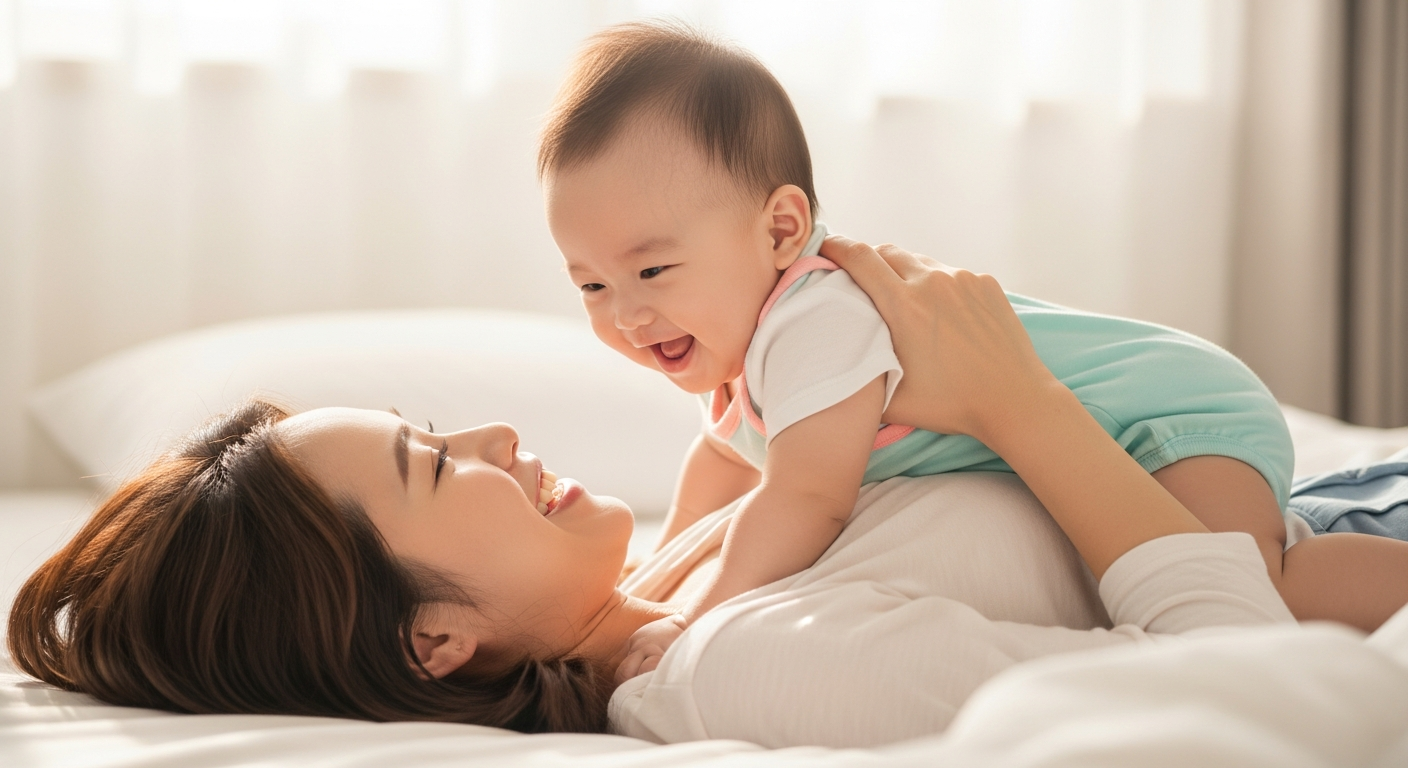
In Malaysia, the postpartum confinement period is widely known as "pantang" — a Malay term meaning "abstinence" or "restrictions". Across Malay, Chinese, and Indian communities, pantang refers to the special period of rest and care a mother observes in the weeks following childbirth, traditionally lasting around 40 to 44 days.
Understanding pantang helps explain why confinement remains so culturally significant in Malaysia — and how modern care has evolved to keep its wisdom while shedding practices that no longer serve mothers well.
The Philosophy Behind Pantang
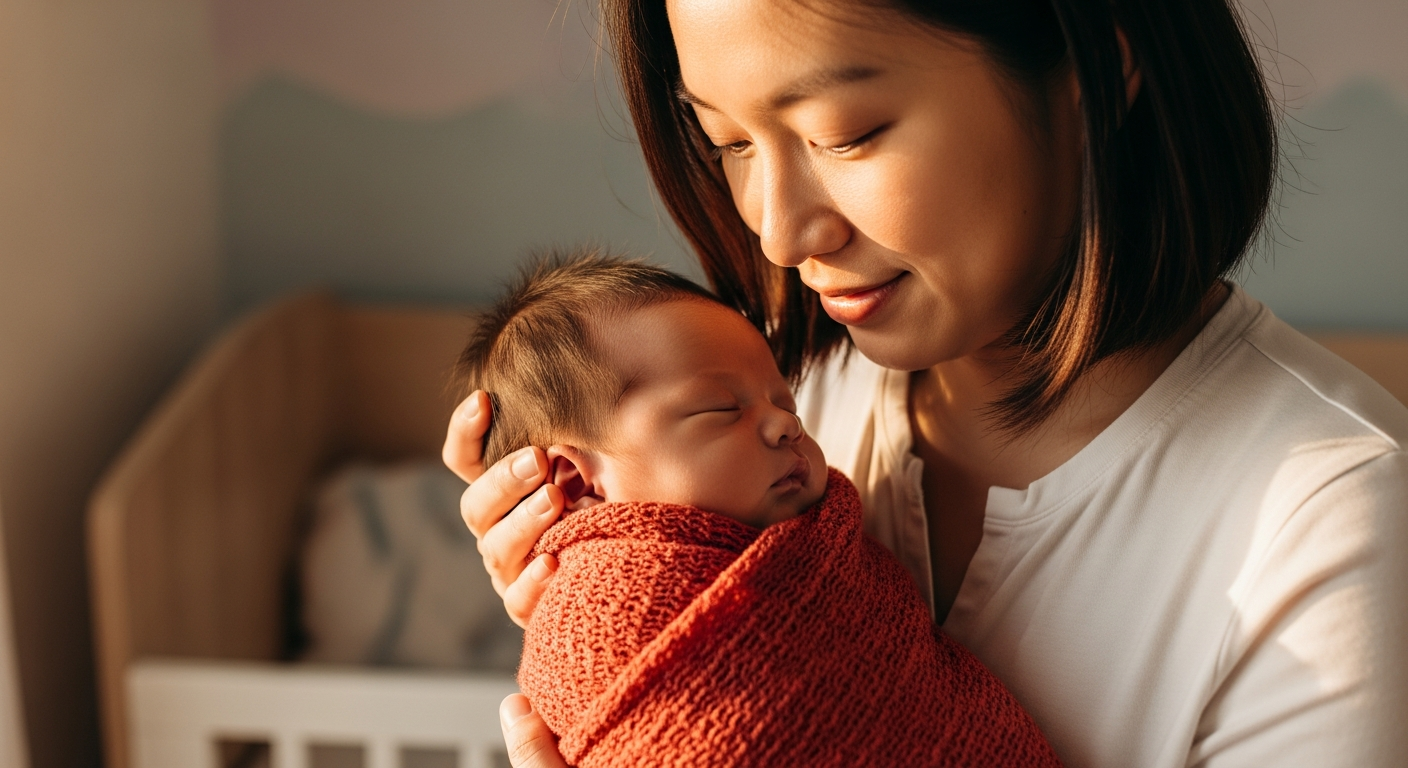
At its heart, pantang exists to protect a vulnerable new mother. After childbirth, the body is believed to be weakened and especially susceptible to "wind" (angin) and cold. The confinement period is a structured time to restore warmth, rebuild strength, and allow the body to heal — while close family and a confinement nanny take on daily responsibilities so the mother can focus entirely on recovery and bonding.
Common Pantang Customs
While customs vary by community and family, several traditions appear consistently across Malaysia:
- Staying warm: Avoiding cold water, cold foods, and air-conditioning that is too cold, to prevent "wind" from entering the body.
- Herbal baths and massage: In Malay tradition, postnatal massage (urut), abdominal binding (bengkung), and herbal baths are deeply valued to help the body realign and recover.
- Rest above all: Limiting physical exertion and household work, allowing the mother to sleep and recuperate.
- Confinement foods: Warming, nourishing dishes prepared specifically to support healing and milk production.
Traditional Confinement Foods
Food sits at the very centre of pantang. Malay tradition features warming herbs and spices, jamu (herbal tonics), and dishes seasoned with ginger and black pepper. Chinese-Malaysian families favour sesame oil chicken, ginger, red dates, and herbal soups rooted in TCM. The shared goal is consistent: warm the body, replenish energy, and support breastfeeding.

Honouring Tradition, Safely
Some older pantang practices — such as avoiding bathing entirely or extreme heat application — are no longer recommended by modern healthcare. The best confinement care today keeps the meaningful heart of pantang while quietly setting aside customs that could risk a mother's health.
That means warm (not scalding) herbal baths, proper hygiene, balanced confinement meals that meet real nutritional needs, and professional monitoring for signs of infection or postpartum depression.
The Singjoy Approach
At Singjoy, we deeply respect the cultural importance of pantang. Our care blends time-honoured confinement wisdom — warming meals, postnatal massage, and dedicated rest — with the safety and nutritional rigour mothers deserve. The result is an experience that feels both familiar and reassuring: tradition you can trust, delivered with modern professional care.